demo-attachment-1130-op_greg-kantra-Xl1s-AkSLj4-unsplash-1-scaled

Special Face Makeup


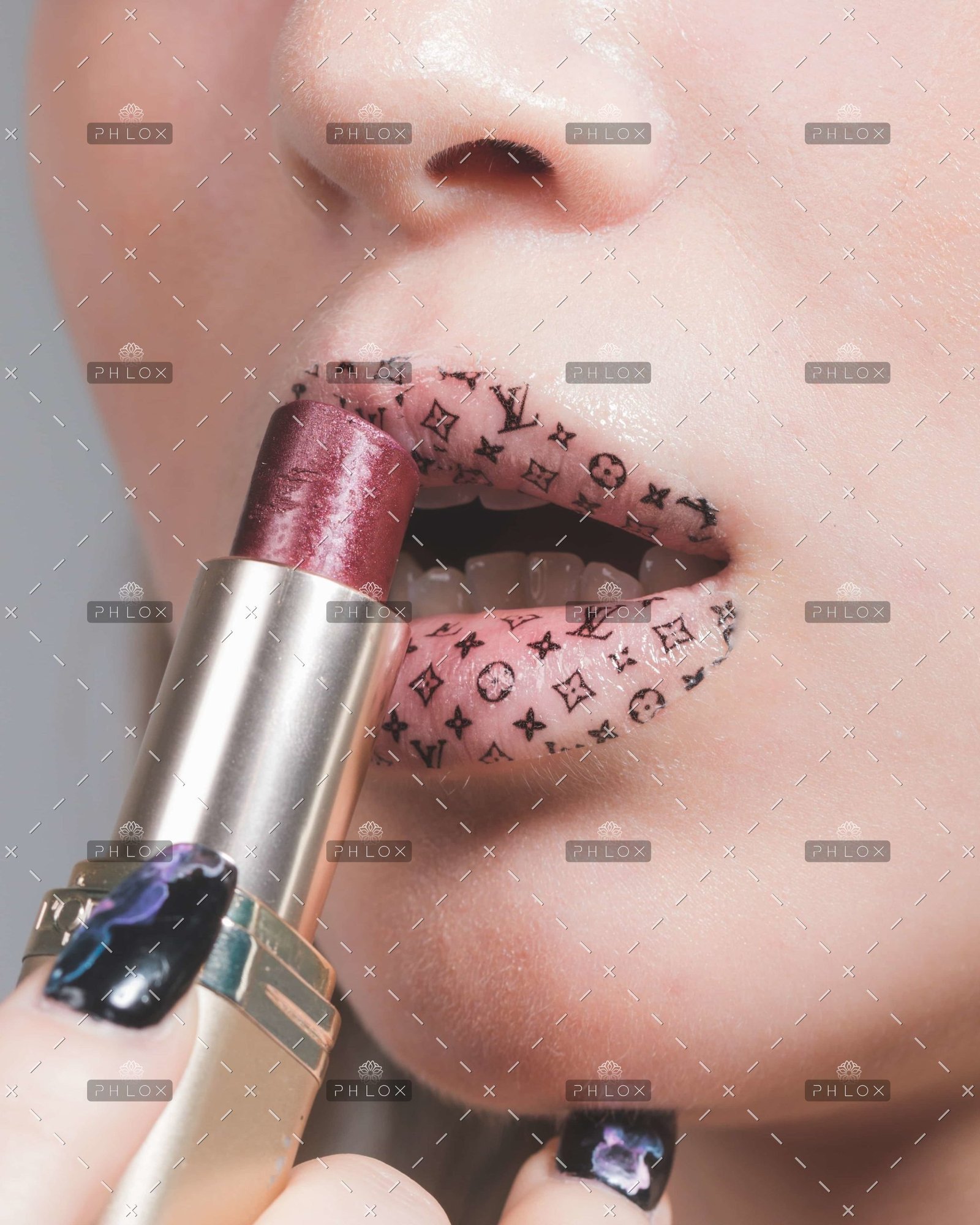
Prime your face. Before you add any makeup you need to prime your face. The purpose of a face primer is to enhance the appearance of makeup and increase the longevity.You can apply the primer with your fingers, covering your whole face with a small amount. The primer will also help your makeup up stay on all day. If you are going to sweat, run, or do anything that will cause your makeup to wear off or smear, primer is a necessity for you.

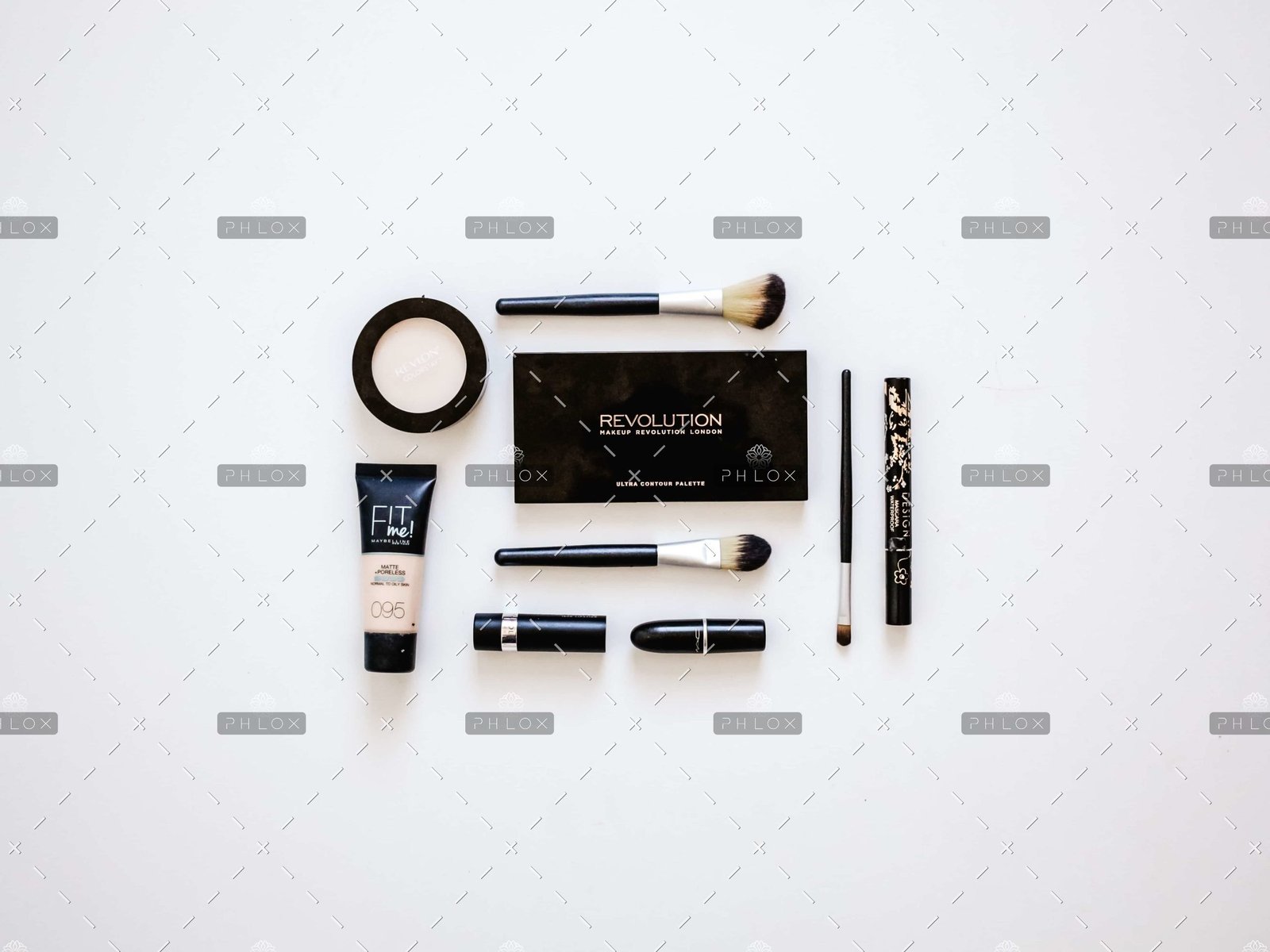
There are several types of foundation[4], but they are generally applied the same way. Liquid, cream, and powder foundations all act to create a more even complexion, working to create an even base for your other makeup. Use a foundation brush or damp beauty sponge to apply foundation to your face, blending into your neck and earlobes if necessary. Keep in mind that your foundation should be the same color as your natural skin tone, not much darker or lighter. It helps to match your foundation to your chest and neck so your face isn’t a different color than the rest of your body. You never want a harsh line from your jawline to your neck. This is very unnatural and gives a harsh and unblended finish, which is not what you want. Choosing a color that matches your skin always helps.

  • You can use a concealer brush to add a little extra foundation to cover up stubborn blemishes.
  • Liquid foundation can be applied with your fingertips, although this is more likely to introduce bacteria to your skin and cause future breakouts.

The purpose of concealer is to even out uneven skin tone as a result of blemishes or dark under-eye circles. You can also use a concealer in a shade slightly lighter in your skin tone to brighten dark areas or high points of your face. Use a concealer brush or your (clean) fingertips to blend concealer on your undereye area in an upside-down triangle shape, down the bridge of your nose, chin, the center of the forehead, and above the upper lip. You can use a shade matching your skin tone to cover any red areas or over any acne or dark spots. Blend the edges of your concealer so it seamlessly blends into your foundation.
demo-attachment-1127-op_omar-tursic-T-DzYXDdO2k-unsplash-1-scaled

Complementary Care Such As Aromatherapy

What is aromatherapy?

Aromatherapy is the use of essential oils from plants to improve the mind, body, and spirit. It is used by patients with cancer to improve quality of life and reduce stress, anxiety, pain, nausea, and vomiting caused by cancer and its treatment. Aromatherapy may be used with other complementary treatments like massage therapy and acupuncture, as well as with standard medical treatments, for symptom management.Essential oils are the fragrant (aromatic) part found in many plants, often under the surface of leaves, bark, or peel. The fragrance is released if the plant is crushed or a special steam process is used.

There are many essential oils used in aromatherapy, including those from Roman chamomile, geranium, lavender, tea tree, lemon, ginger, cedarwood, and bergamot. Each plant’s essential oil has a different chemical make-up that affects how it smells, how it is absorbed, and how it affects the body.Essential oils are very concentrated. For example, it takes about 220 pounds of lavender flowers to make about 1 pound of essential oil. The aroma of essential oils fades away quickly when left open to air.

How is aromatherapy given or taken?

  • Indirect inhalation: The patient breathes in an essential oil by using a room diffuser, which spreads the essential oil through the air, or by placing drops on a tissue or piece of cotton nearby.
  • Direct inhalation: The patient breathes in an essential oil by using an individual inhaler made by floating essential oil drops on top of hot water.
  • Massage: In aromatherapy massage, one or more essential oils is diluted into a carrier oil and massaged into the skin.

Essential oils may also be mixed with bath salts and lotions or applied to bandages.There are some essential oils used to treat specific conditions. However, the types of essential oils used and the ways they are combined vary, depending on the experience and training of the aromatherapist.In laboratory studies, tumor cells are used to test a substance to find out if it is likely to have any anticancer effects. In animal studies, tests are done to see if a drug, procedure, or treatment is safe and effective in animals. Laboratory and animal studies are done before a substance is tested in people.

demo-attachment-1126-op_nicole-honeywill-5RlK7kaGFps-unsplash-1-scaled

Facials And Skin Care Treatments

Last year, Americans spent nearly $17 billion on spa services. A lot of that money went toward facials: treatments that claim to remove blemishes, combat wrinkles, moisturize, regenerate, tighten and otherwise beautify the skin so that your face looks fabulous.But is there evidence to support the claims (and costs) of these treatments? Experts say it depends on the type of facial, where you have it performed and the skin benefit you’re hoping to get out of it.

“I was at this beautiful spa in Santa Fe, and the esthetician giving me a facial said the next citrus emollient she was going to apply would help cleanse my liver,” recalls Ushma Neill, editor-at-large of the Journal of Clinical Investigation and vice president of scientific education and training at Memorial Sloan Kettering Cancer Center. “I almost sat up in disbelief.”

That experience, Neill says, prompted her to investigate the existing science on spa facials. She published her findings in a 2012 report. Her conclusion? “I realized just how useless it all was,” she says. “I haven’t had a facial since I wrote that article.”

Neill says she doesn’t dispute claims that facials can temporarily revamp the skin by “moisturizing it to the max” and removing pimples and other blemishes. But when it comes to many of the fancier, pricier services that claim to combat aging or inflammation—everything from ozone and antioxidant treatments to stem-cell extract applications—most of that stuff is “complete malarkey,” she says.

Other experts reiterate that point. “As a dermatologist, I see a lot of patients with misperceptions about different creams and procedures and the whole concept of facials,” says Dr. Joel Cohen, an associate clinical professor of dermatology at the University of Colorado and director of AboutSkin Dermatology and DermSurgery near Denver.Apart from moisturizing the skin, Cohen says most topical creams are unlikely to provide much lasting benefit—especially if applied sporadically and only in a spa setting. And while some chemical peels that use substances like salicylic or glycolic acid can help stimulate skin cell turnover and repair, Cohen says proper daily skin care—regular cleansing and applying moisturizer and sunscreen—are a lot more likely to be helpful.